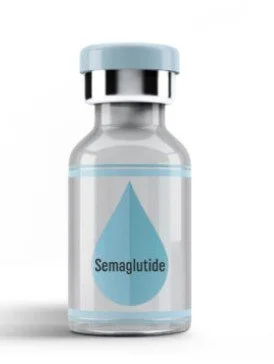
Semaglutide is a GLP-1 receptor agonist medication used to treat type 2 diabetes and manage chronic weight, sold under brand names like Ozempic, Wegovy, and Rybelsus. It works by mimicking a gut hormone to regulate appetite, increase insulin secretion, and slow digestion, aiding in significant weight loss. It is typically administered via a weekly injection or daily oral tablet. [1, 2, 3, 4, 5]
Key Uses & Efficacy
Weight Management: FDA-approved for weight loss in adults with obesity (BMI $\geq$30) or overweight (BMI $\geq$27) with weight-related conditions (e.g., high blood pressure, type 2 diabetes).
Type 2 Diabetes: Improves glycemic control.
Cardiovascular Health: Reduces the risk of major cardiovascular events (heart attack, stroke) in adults with both type 2 diabetes and heart disease.
Weight Loss Results: Patients may lose 10-15% of their body weight after 6 months of treatment. [1, 2, 3, 4]
Common Side Effects
The most common side effects are gastrointestinal, including: [1]
Nausea
Vomiting
Diarrhea
Constipation
Abdominal pain
Important Considerations
Administration: Wegovy and Ozempic are weekly injections; Rybelsus is a daily pill.
Compounded Products: The FDA has warned about using unauthorized salt forms of semaglutide in compounded products.
Medical Supervision: It should only be used under the supervision of a licensed healthcare professional.
Not a Quick Fix: It is meant to be used alongside a reduced-calorie diet and increased physical activity. [1, 2, 3, 4, 5]
Differences from Other Medications
Unlike semaglutide, which acts only on the GLP-1 receptor, medications like Tirzepatide (Mounjaro) are dual agonists acting on both GLP-1 and GIP receptors
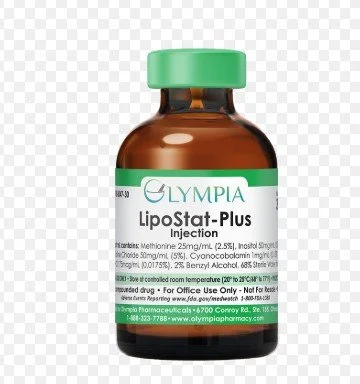
Lipostat (often called LipoStat-Plus) is a compounded lipotropic vitamin injection used as a supplement in medically supervised weight loss programs. It combines amino acids and B-vitamins designed to boost metabolism, enhance energy, and support liver function. [1, 2, 3, 4]
Key Ingredients & Benefits
Methionine: An essential amino acid that helps break down fats and detoxify the liver.
Inositol: A nutrient that aids in fat metabolism and insulin function.
Choline: Supports liver health and assists the body in metabolizing fat.
Vitamins B6 & B12: Promote energy production and help the body convert food into cellular energy
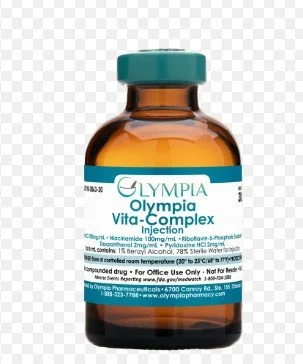
Vita-Complex injection is a blend of essential B vitamins (B1, B2, B3, B5, and B6) administered intravenously (IV) or intramuscularly (IM) to boost energy, support metabolic function, and promote skin health. It is commonly used for rapid nutrient replenishment to combat fatigue, aid recovery, and manage deficiencies. [1, 2, 3]
Key Benefits and Uses
Energy Production: Helps convert food (carbohydrates, fats, and sugars) into cellular energy.
Nutrient Replenishment: Addresses deficiencies often caused by poor absorption, severe illness, or stress.
Metabolic & Nerve Support: Contains B1 (Thiamine), B2 (Riboflavin), B3 (Niacinamide), B5 (Dexpanthenol), and B6 (Pyridoxine) to support nerve function and overall metabolism.
Wellness & Skin Health: Promotes healthy skin, hair, and nails
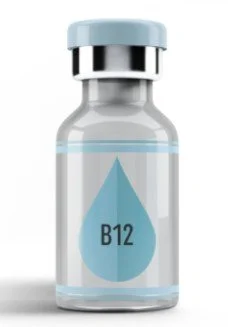
Vitamin B12 injections deliver concentrated doses of the vitamin directly into the bloodstream or muscle, completely bypassing the digestive system. They are primarily used to treat severe deficiencies, reverse neurological symptoms, and support individuals with absorption issues like pernicious anemia.
Why Get a B12 Injection?
Superior Absorption: Because the vitamin does not have to go through the stomach or small intestine, your body gets the maximum benefit.
Deficiency Treatment: Essential for those who cannot absorb B-12 naturally, or for those following strict vegan diets.
Symptom Relief: Helps alleviate fatigue, "brain fog," weakness, numbness, and tingling.
Energy & Metabolism: Provides a rapid boost in energy levels and assists in breaking down carbohydrates and fats.
How Are They Administered?
Frequency: Initial treatment for a deficiency typically requires injections every other day for about two weeks, followed by maintenance shots (often once a month or several times a year).
Location: They are administered by a healthcare professional, usually injected directly into a muscle (intramuscularly).
Formulations: The most common prescribed forms are cyanocobalamin and hydroxocobalamin.
No results match your search. Try removing a few filters.


